Get the most out of Fable 5.2 while you can before Monday / Claim your business on ChatGPT / Simon Sinek's start with why as a skill
12 November 2026
buildwitholi
Hello people,
Happy Thursday!
[IN SHORT]
We've got a lot to cover today:
- Fable 5.2: until Monday night only, Anthropic's newest model is included on Pro at no extra cost.
- Claim your business on ChatGPT: like a Google Business Profile, but inside ChatGPT.
- My talk: 28 minutes on what I've seen inside firms adopting AI, and where it's heading next.
- Video eight: Claude doing your admin overnight, without you clicking go.
- Great minds: the skill that makes Claude ask why before it says yes.
[THIS WEEK ONLY]
Fable 5.2 on Pro, at no extra cost until Monday
Anthropic released Fable 5.2, its newest model, on Monday.
My take so far is that it's good, intelligent, insightful and less token hungry, and I'm putting it through its paces on visual design and video editing over the next few days.
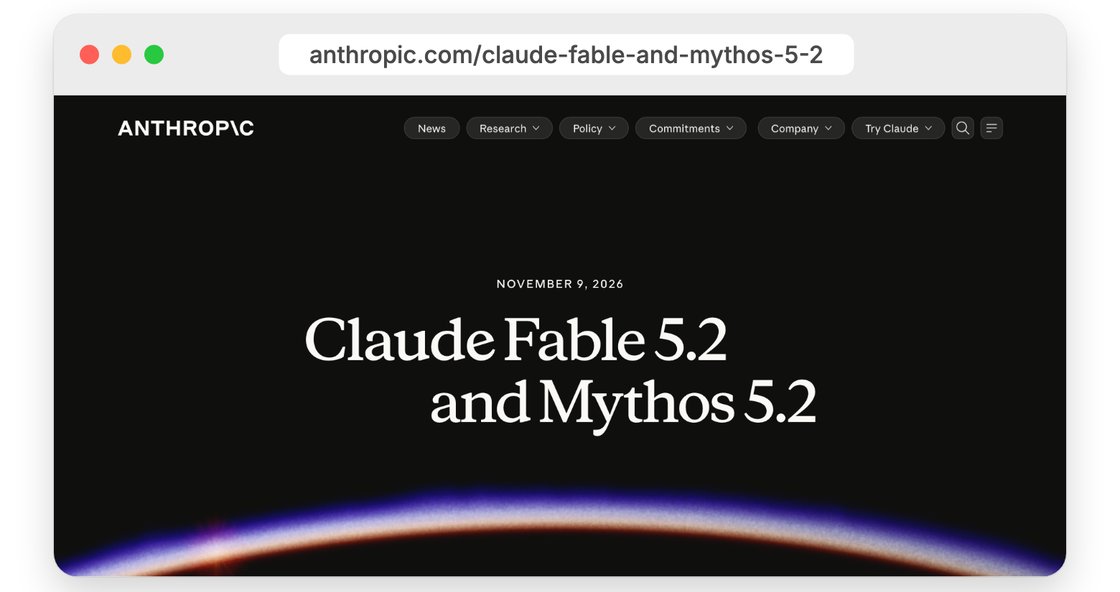
Normally Fable isn't part of the Pro plan, so every time you use it you pay extra with usage credits.
But until Monday night, Anthropic is including it in Pro at no extra cost, up to half your weekly limit, and it ends at midnight Pacific time, which is 8am on Tuesday in the UK.
So if you're on Pro, this is the week to try it on a real piece of your work, and see whether it's worth paying for after.
If you're on Max, nothing changes, and it stays included up to half your weekly limit.
And tomorrow I'll be releasing a guide on Instagram on how to get the most out of it, so keep an eye out for it.
[NEW IN CHATGPT]
Claim your business
OpenAI has launched Businesses in ChatGPT, which works a bit like a Google Business Profile, but inside ChatGPT.
Once you've claimed your business, you can keep your details up to date in what they call Business Hub, and ChatGPT may use them to answer people's questions about you.
You can also see how often your business is mentioned in ChatGPT, and the topics of the conversations where it comes up.
To claim it:
- Click Claim your business on OpenAI's page, linked below.
- Find your business and verify that you own it, or are allowed to represent it.
- Update your details, like what you offer, so they're current.
Claiming is open to eligible businesses wherever ChatGPT is offered, depending on things like your industry and location.
Their Business Agent, which answers customers' questions for you, is only in the US for now, and only for online shops and online service businesses.
I'll be doing a video on it soon, so keep an eye out on Instagram.
[MY TALK]
How businesses actually adopt AI
Yesterday I gave a talk in London on how businesses actually adopt AI, and I recorded the whole thing at my desk beforehand, so you can watch it too.
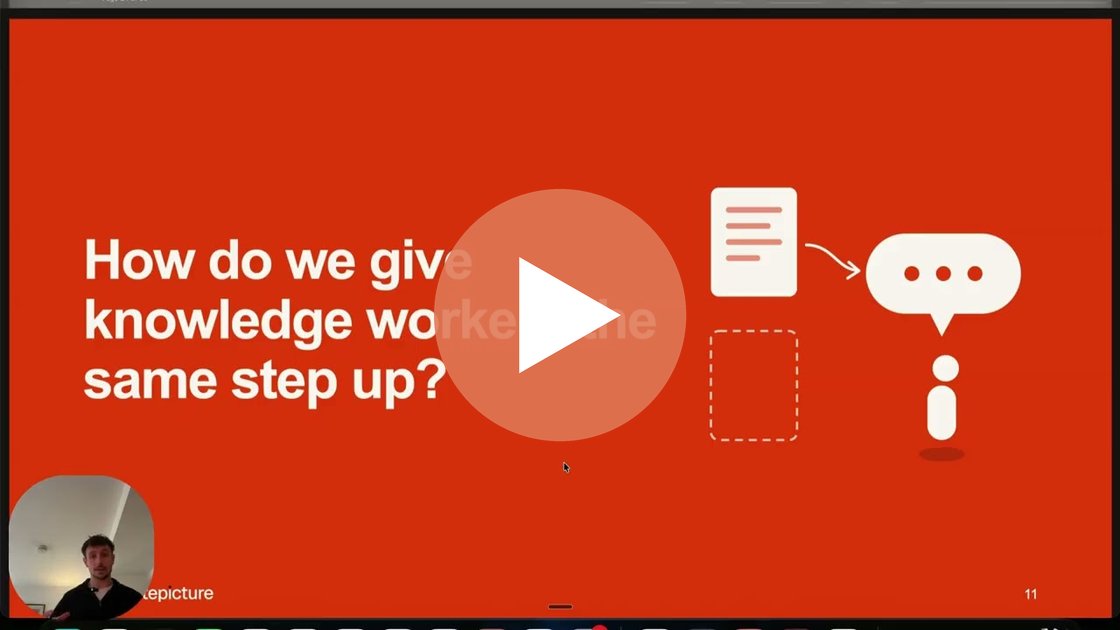
It's 28 minutes, in seven parts:
- Why: why listen to me, from data scientist to AI lead to running my own company.
- What: what over 30 senior leaders told me, that almost everyone stops at the chat window.
- Who: why coding got past the chat window first.
- How: giving everyone else the same setup.
- When: when to hand work over, where it goes wrong, and scoring every task in a role against five questions.
- Where: the four ways a business can spend the time it gets back.
- You: what we'll value once that work shrinks.
[NEW YOUTUBE VIDEO]
Video eight, working hours
Part eight of the course is about putting Claude on a schedule, so the jobs you start by hand every day get done without you clicking go.
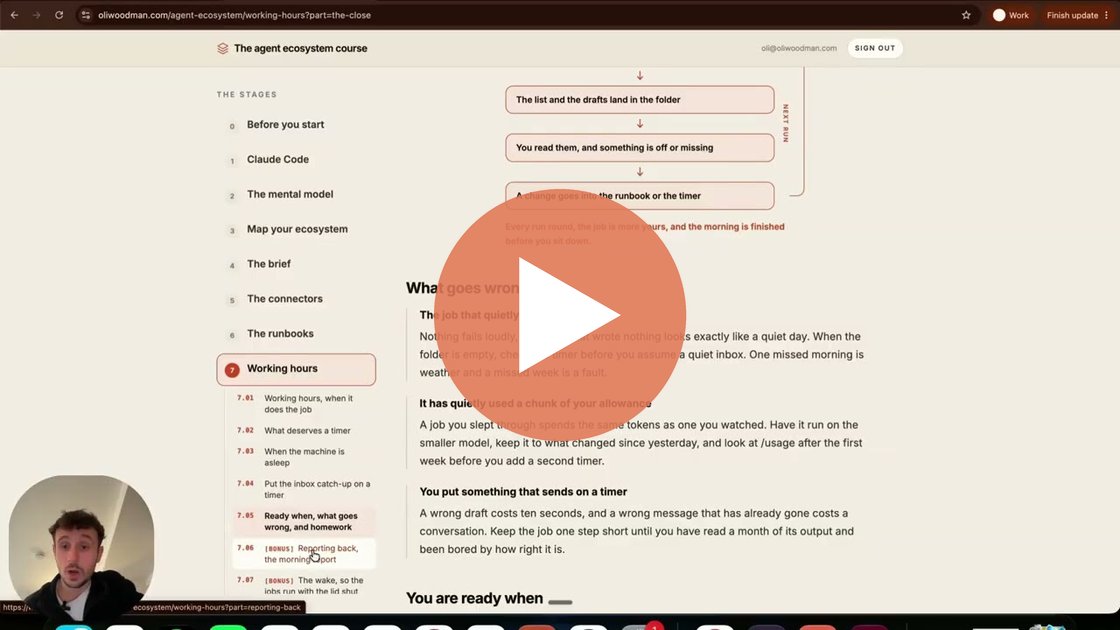
In this video I cover:
- What deserves a timer: the jobs you start by hand, and the ones you'd do if you had the time.
- Setting one up: in the Claude desktop app, or by asking Claude in VS Code.
- The closed laptop: why nothing runs while it's shut, and how to wake it so jobs run overnight.
- Knowing it ran: by email, in your drafts or as an event in your calendar.
So if there's a job you start by hand every morning, that's the one to put on a timer first.
[GREAT MINDS]
Simon Sinek's start with why
We've all asked Claude to help us decide whether to do something, and it goes straight to planning how to do it, whether or not it's the right thing for you.
Simon Sinek noticed that the leaders who inspire us all work the other way round.
He said most of us go "from the clearest thing to the fuzziest thing", from what we do to why we do it.
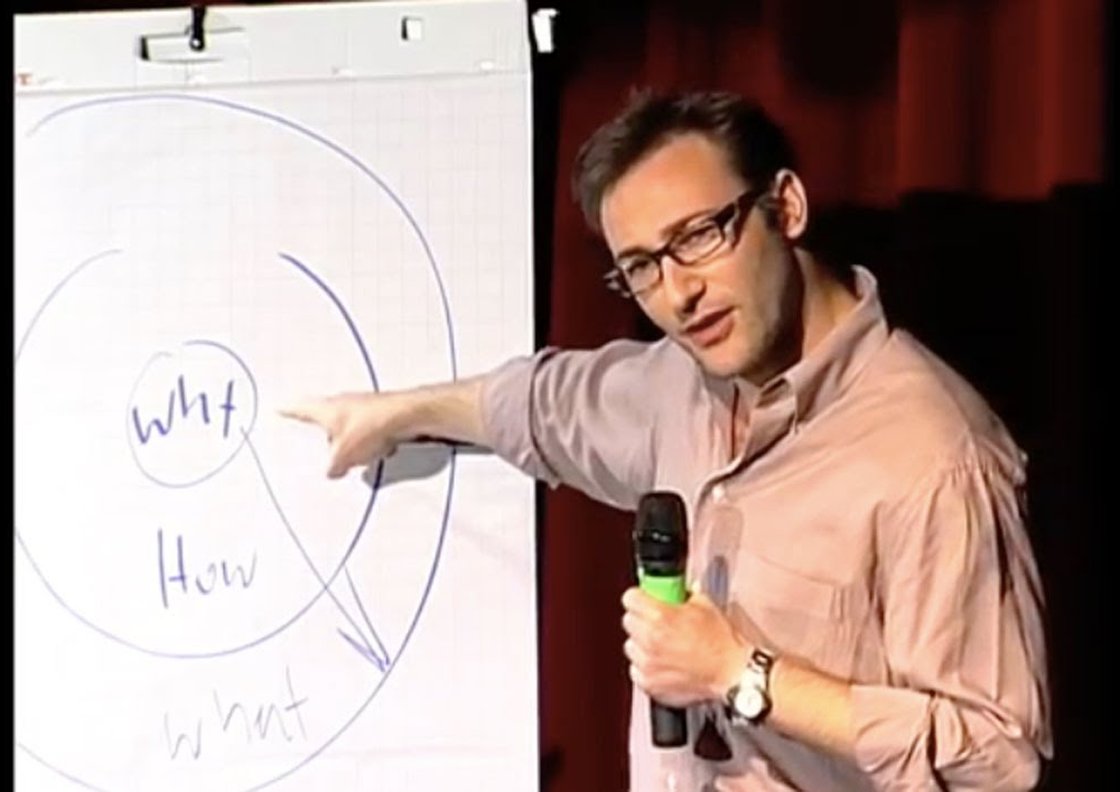
Take Apple, where everyone else would say, we make great computers, they're simple to use, want to buy one?
Apple starts with, everything we do, we believe in challenging the status quo, and they just happen to make great computers.
Or as he puts it:
"People don't buy what you do; people buy why you do it."
So I turned it into a skill, and now I just say "start with why" before Claude helps me decide anything:
- First, it guides you to your why, the reason you do the work, in one line.
- Then it asks for the two or three things you'd never compromise on.
- Then it holds the decision up against your why.
- And finally, it tells you straight if the decision doesn't fit.
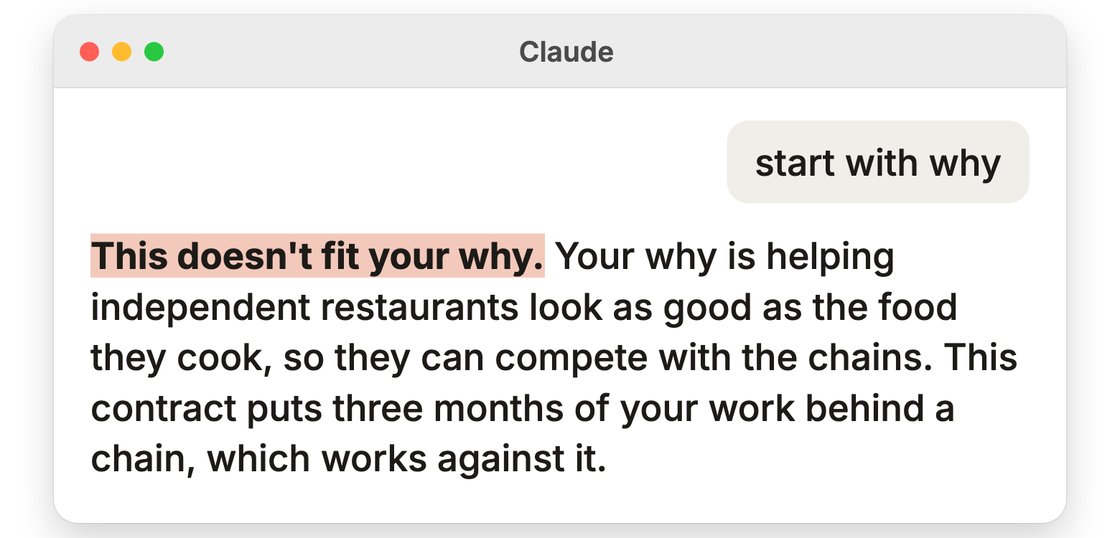
Run it on the next client, hire or piece of work you're weighing up, and see whether it really fits why you do the work.
Thank you for reading.
I'd love to hear what you thought of this one, so hit reply and tell me, good or bad.
Chat soon,
Oli
Get the next one