The two objections that stall AI projects
"It's a black box" and "it's not 100% accurate." Both true — and both hold AI to a standard no business has ever held a human to.
What you'll walk away with
- An answer to the black box objection, built on how little of an expert's own reasoning ever gets written down
- Why 100% accuracy is the wrong question, and the baseline your project is really being compared against
- A prompt that builds your response for your own project, and tells you honestly if the objection is right this time
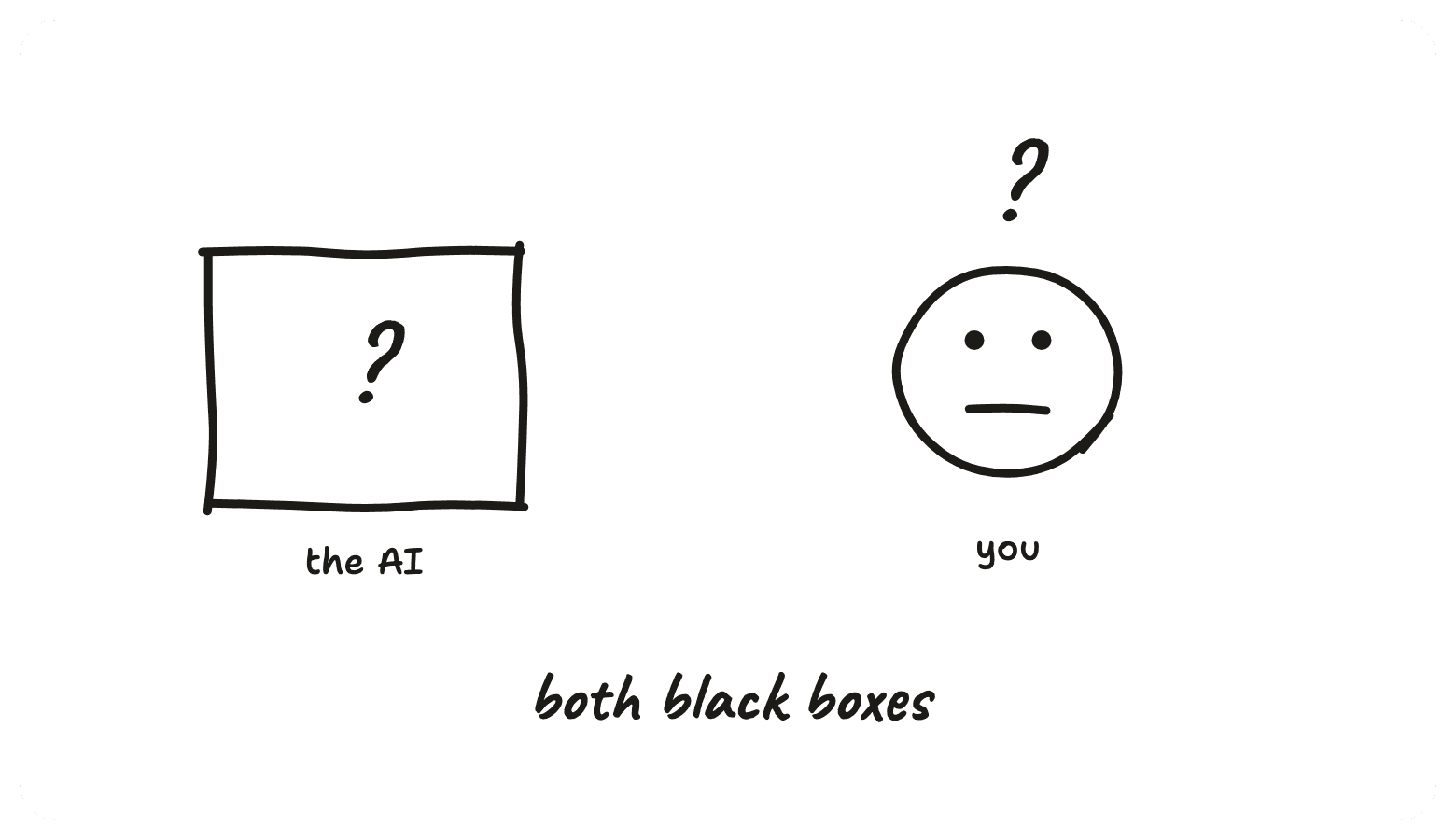
Objection One — It's A Black Box
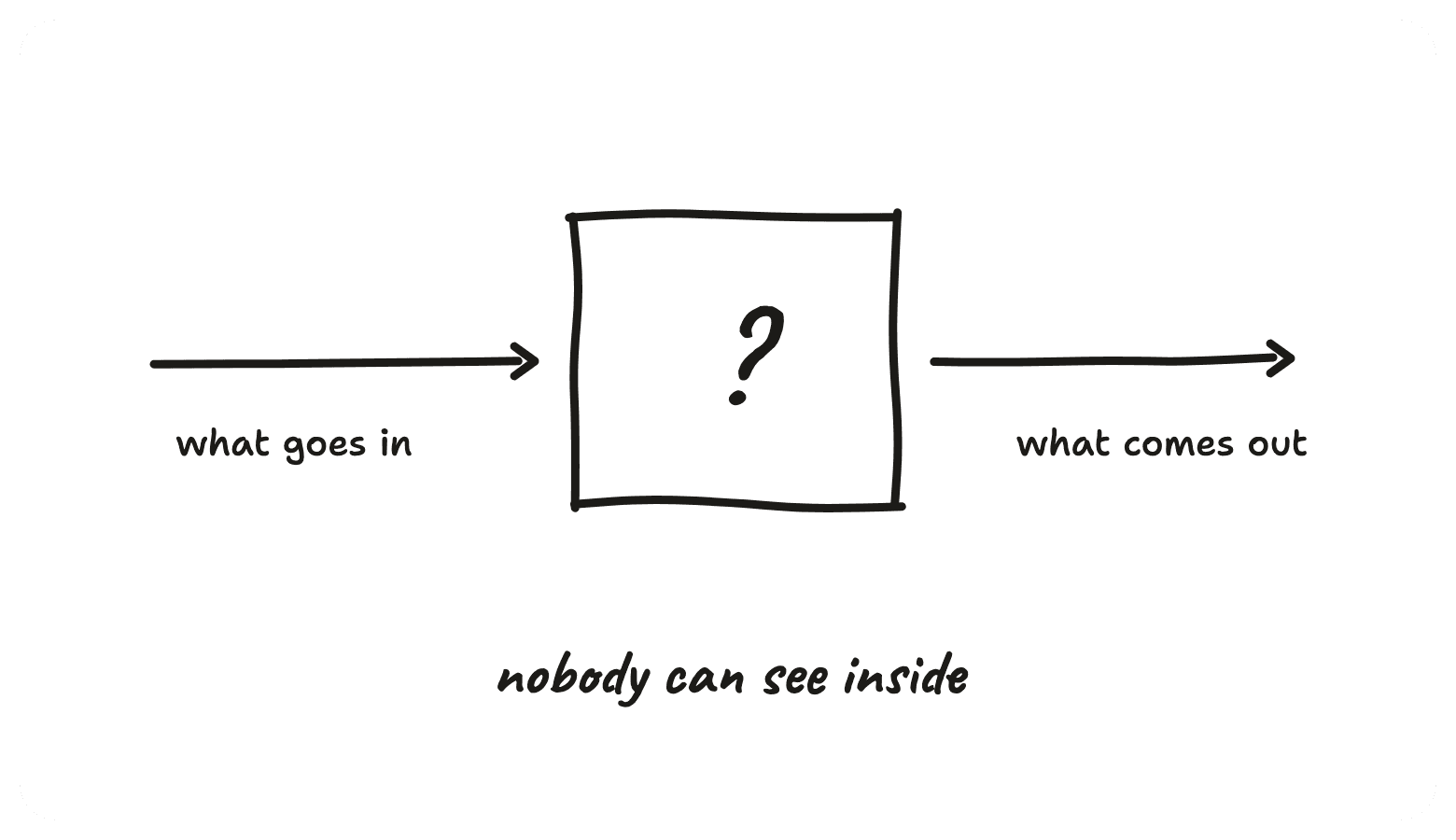
What people mean by this is fair enough: you can see what goes in and you can see what comes out, but you can't see what's going on inside its mind. And in a way, that's true.
Here's the part that gets missed. On one project I sat with underwriters — brilliant people with decades of experience — and asked them to talk me through how they read a GP report to assess a case. Often, when you pushed on why a decision went the way it did, the honest answer was "I just know" or "I have a gut feeling."
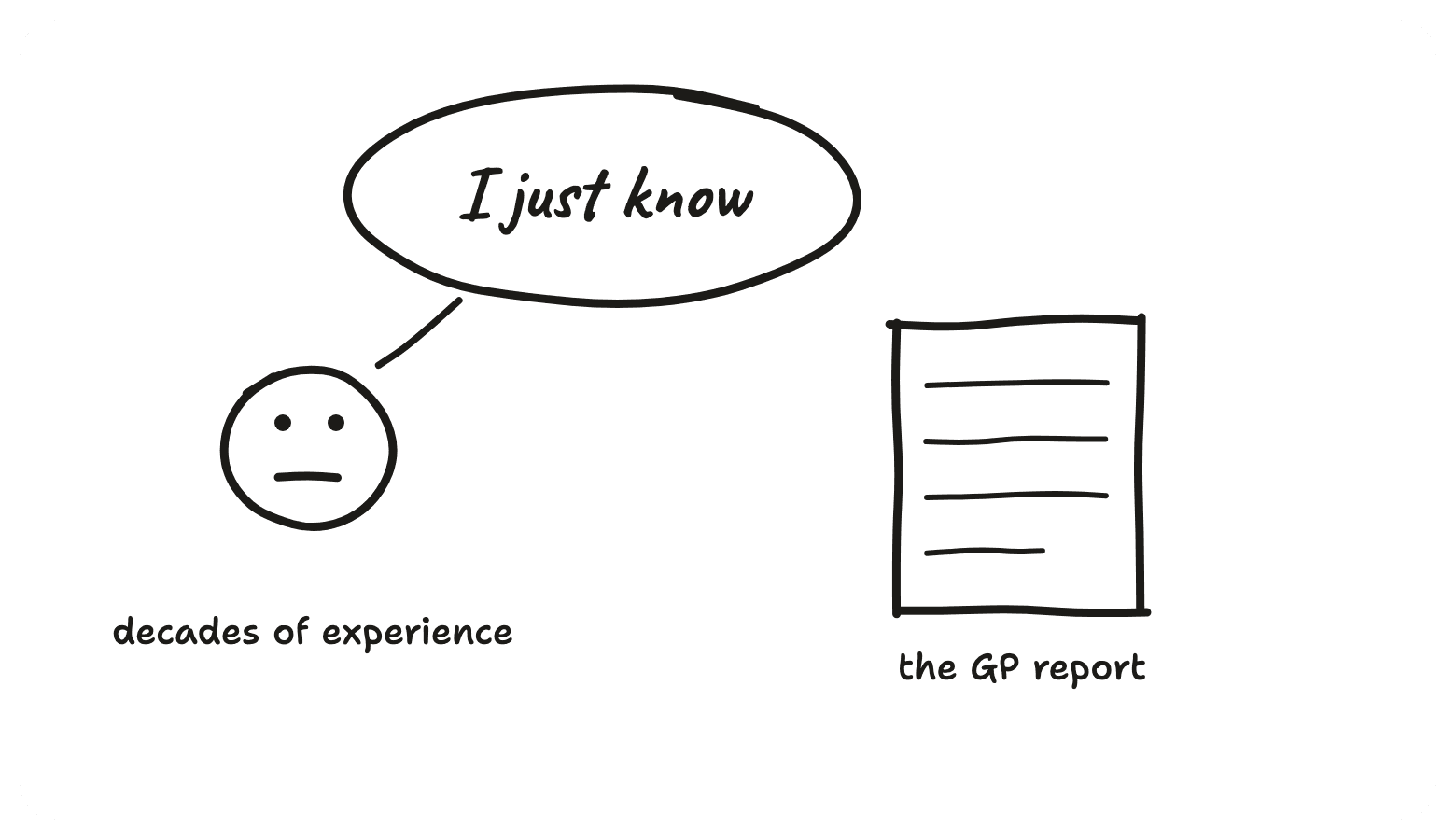
That's not a criticism — it's expertise. So much of how we all work is untold reason; it's just how we do it. But it means the standard being demanded of the AI is one the current process doesn't meet either. Nobody ever calls you or I a black box.
The Difference — You Can Question The AI
Ask it what it did and why. Get it to output the reasoning behind a decision. Push back on it, and keep going for as long as you like — it never gets tired and it never gets defensive.
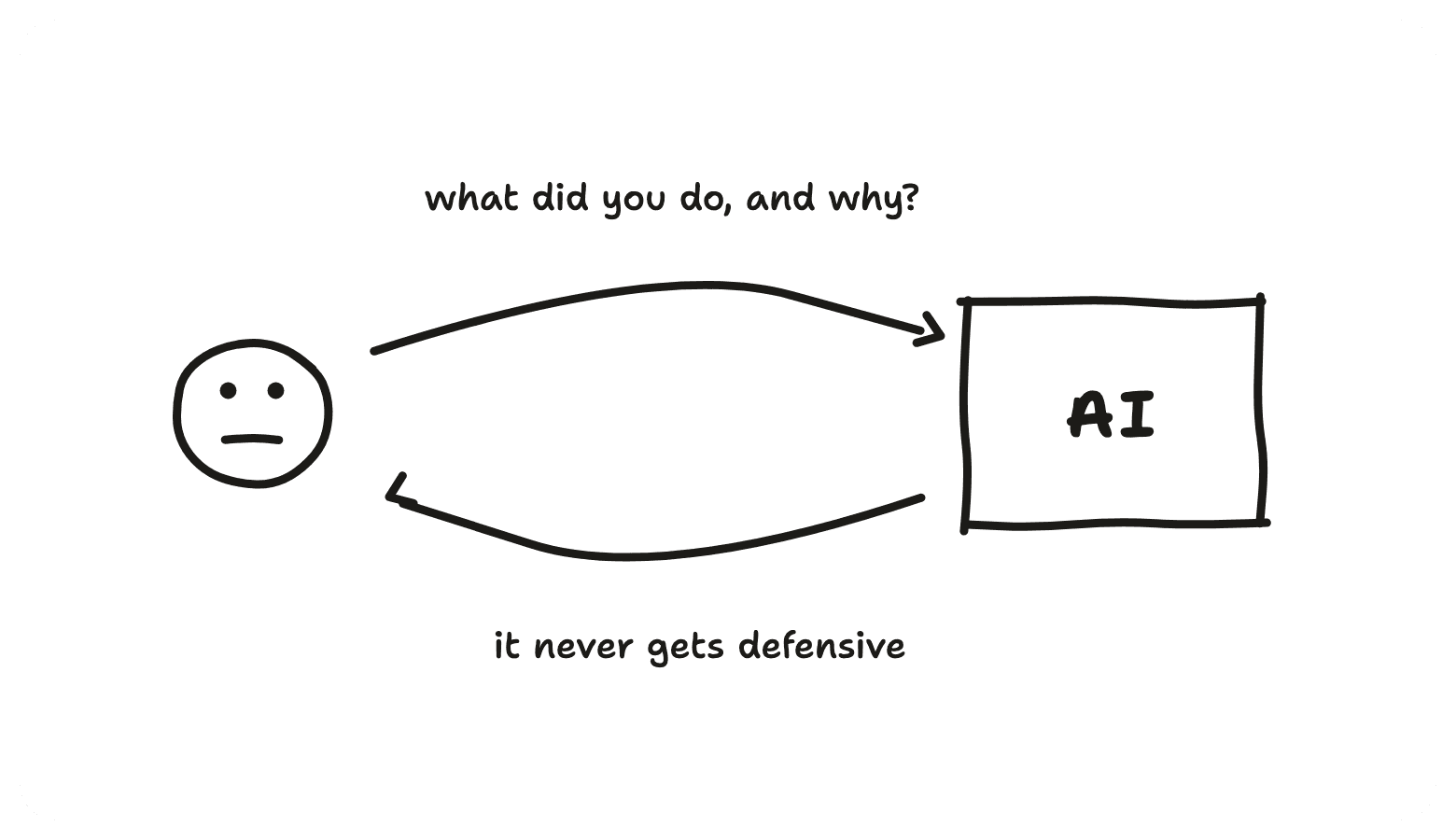
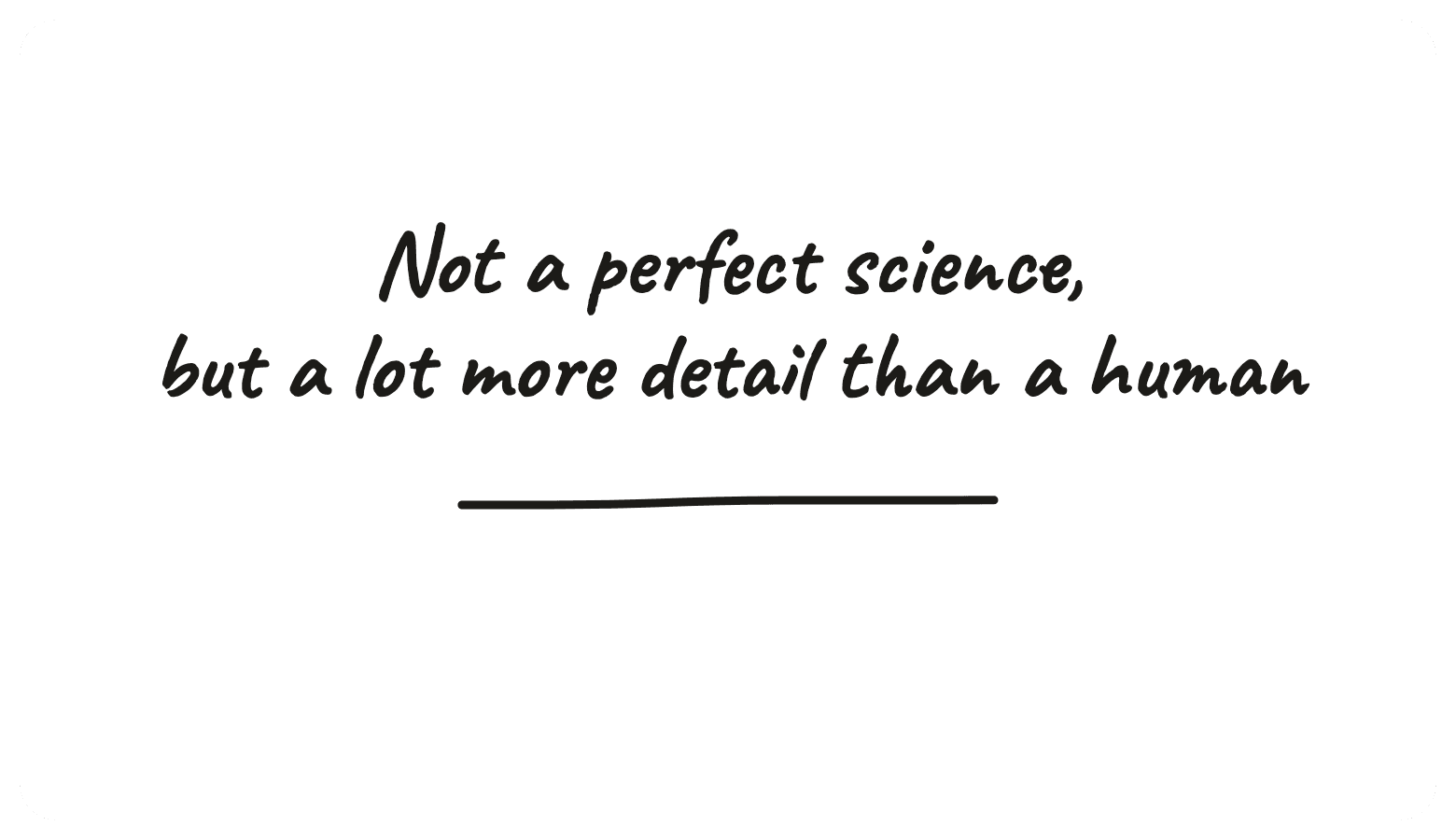
The honest bit: this isn't a perfect science. An AI's explanation of its own reasoning is assembled after the fact — which, if anything, makes it more like us, not less. But it leaves far more detail on why it performed a task the way it did than a human tends to, and that detail is something you can actually audit.
Objection Two — How Do You Make Sure It's 100% Accurate?
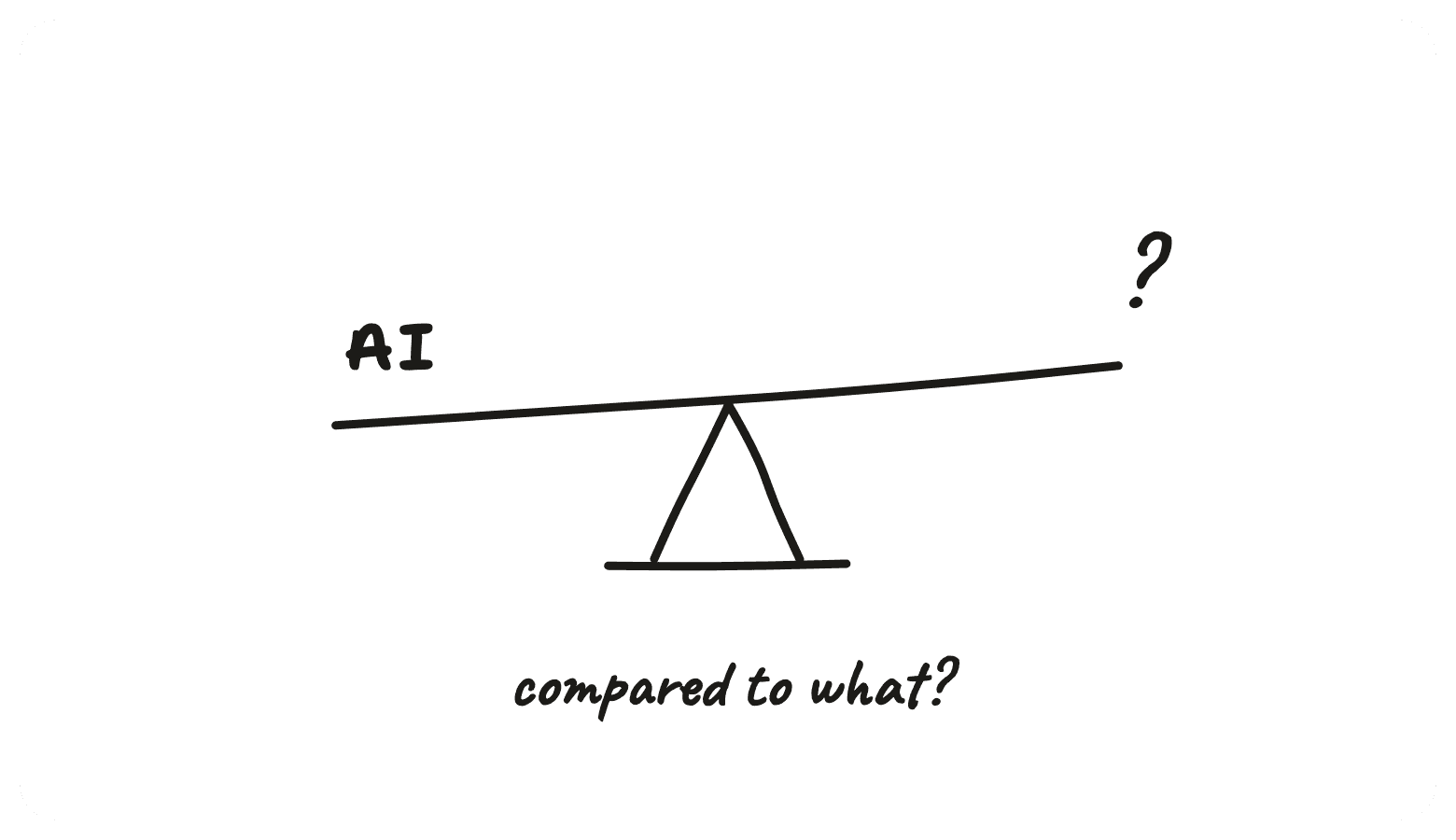
You don't — and that's the wrong question, because 100% is the wrong reference frame. The question is never "is it perfect?" It's "what are we comparing it against?"
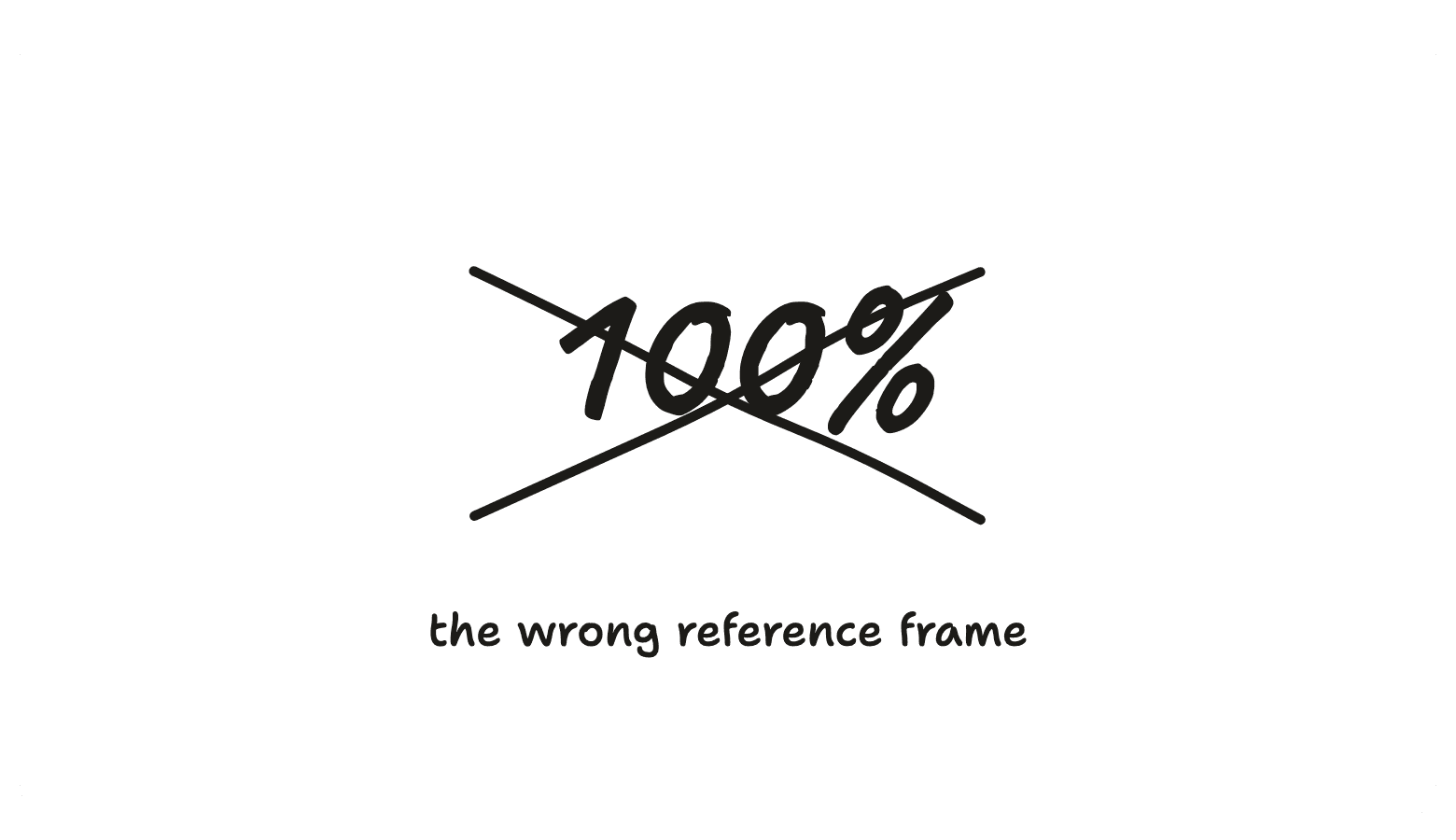
Because the alternative isn't a perfect system. The alternative is a human. And have you actually measured that person's accuracy at the end of a long week, a thousand pages into their reading? Almost nobody has — it's close to impossible to measure — but that unmeasured number is the real baseline, and it isn't 100%.
What To Do Instead
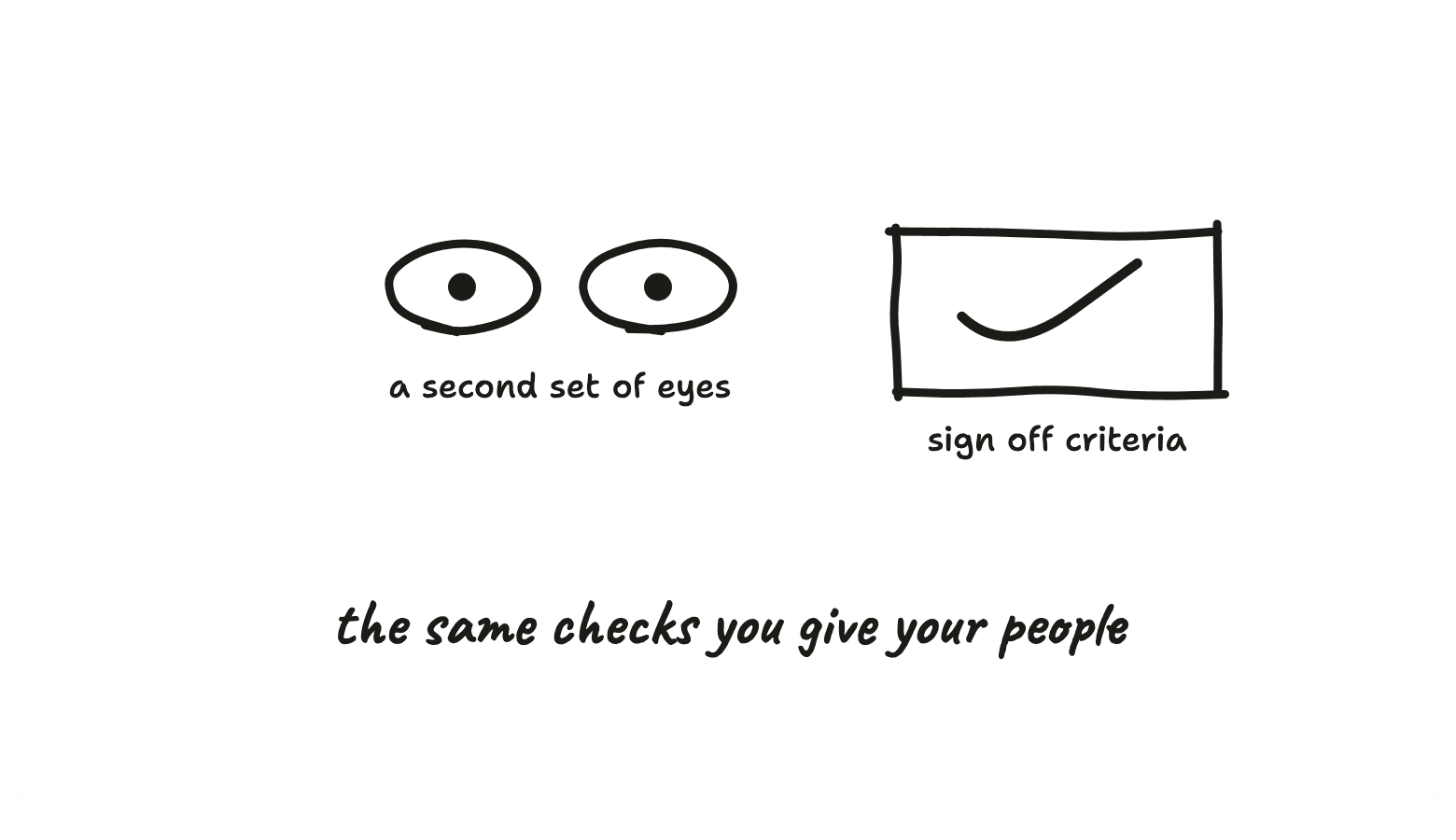
Give the AI the same checks you already give your people: a second set of eyes, a set of sign-off criteria. Not a bar for perfection that nobody was ever going to hit.
If you're the one making this case at work, this prompt helps you build the response properly — including being told honestly if the objections are right for your particular project.
Where This Goes Next
The follow-on questions have their own write-ups: when can you trust what AI gives you, how much supervision each task needs, and getting your business AI ready.
Want to get better at this?
Let's set up your agent ecosystem.
This page is one job. The whole thing is a set of them running off the same foundation, the folder your AI works out of, the brief on how you like things done, the accounts it can reach and the skills that run off all of it, so your admin gets done the way you would do it. It is what I teach one to one, on your own machine and against your own work, and the quickest way to find out what yours would look like is a proper chat about it.
Not ready for a call? Start with the free agent series, what an AI agent actually is, and build up from there.